Walking again after surgery can feel exciting and intimidating at the same time. Many people look forward to moving without the pain they lived with before surgery, but may also worry about doing too much too soon. Walking after hip replacement requires patience, steady progress, and the right habits to protect your new joint while building strength and confidence. Here are some practical tips that help you move comfortably, reduce discomfort, and regain your independence step by step.
Build a Strong Foundation Early
The first few weeks after surgery set the tone for your recovery. Your body needs time to heal, and your muscles need to relearn how to support your new hip. To rest more comfortably, see our tips on improving your posture while sleeping, and ask your therapist which positions are safe for your new hip. You can make the process of recovery smoother by focusing on small, consistent efforts each day. You will likely start with short walks using a walker or crutches to help you maintain balance and reduce pressure on your hip. Pain and stiffness may show up during this phase, but controlled movement often helps reduce both. Gentle walking improves blood flow, which supports healing and reduces swelling. Stick to the plan your healthcare provider or physical therapist gives you, even on days when you feel ready to do more.
Focus on Proper Step Mechanics
Your walking pattern matters just as much as the distance you cover. Many people develop compensations before surgery, and those habits can stick around if you do not correct them. You may notice one side feels weaker or less stable, so if you do discuss it with your physical therapist. It is important to give yourself time to rebuild strength evenly, and avoid favoring one side too much, since that can lead to new discomfort in your knees or back.
Gradually Increase Your Walking Distance
Progress in walking after hip replacement does not happen overnight. You will feel tempted to push yourself on good days, but steady progression works better than sudden increases in activity. Pay attention to how your body responds after each walk. Mild soreness can be normal, but sharp pain or lasting discomfort signals that you need to scale back.
Choose Supportive Footwear
Your shoes play a bigger role than you might expect. Supportive, well-cushioned shoes help absorb impact and keep your steps stable.
Look for shoes with a firm heel, good arch support, and non-slip soles. Avoid sandals, flip-flops, or worn-out sneakers that do not provide enough stability. Proper footwear gives you more confidence with each step and reduces the risk of falls. Good shoes help during your therapy sessions too, and our guide on how to dress for physical therapy has a few simple tips.
Strengthen the Muscles That Support Your Hip
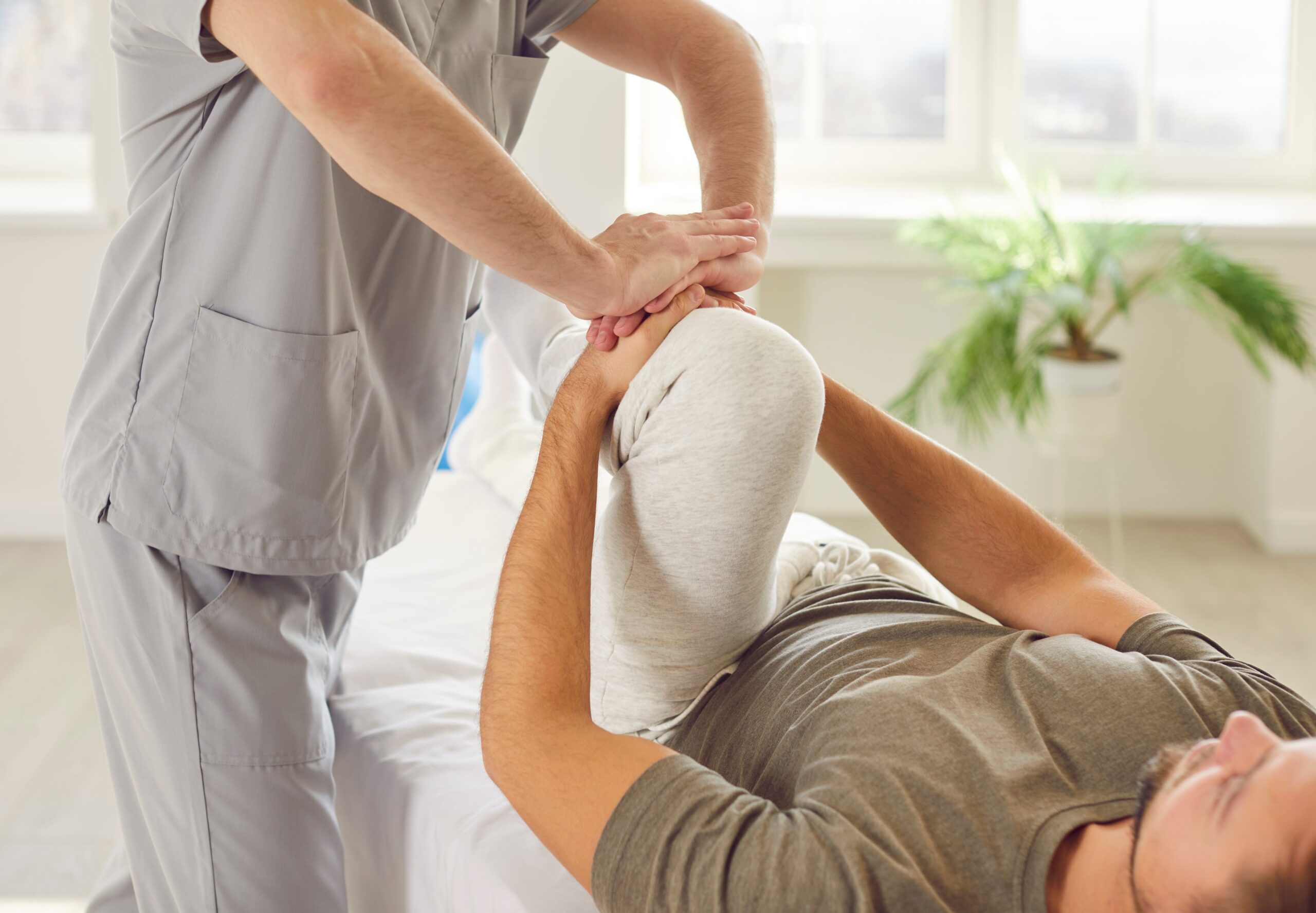
Walking alone will not fully restore your strength. Targeted exercises help rebuild the muscles that stabilize your hip and improve your balance. Your physical therapist can customize your exercises to target those supporting muscles that may be weak. And remember, consistency matters more than intensity. Short, daily exercise sessions will help you progress without overwhelming your body.
Improve Balance and Stability
Balance often feels off after surgery, especially during the early stages of recovery. You can improve stability by practicing controlled movements in a safe environment. Don’t skip the exercises that train your body to trust your new hip and respond to movement more efficiently. Better balance leads to smoother walking after hip replacement and reduces your risk of falls.
Listen to Your Body and Rest When Needed
Recovery does not follow a straight line, so be prepared that some days will feel easier than others, and that is completely normal. Your body needs rest just as much as it needs movement. Swelling, fatigue, and soreness can build up if you push too hard. Respecting these signals helps you avoid setbacks and keeps your progress on track. Also, be sure to keep follow-up appointments and communicate any concerns with your physical therapist, because early guidance can prevent small issues from becoming bigger problems.
Stay Consistent With Your Recovery Plan
Walking after a hip replacement improves with repetition and routine. You will see the best results when you stay consistent with both walking and your prescribed exercises. Set small, realistic goals each week and track your progress so you can see how far you have come, even on slower days. Your confidence will grow as your strength improves, and everyday activities will start to feel more natural again.
Take the Next Step Toward Comfortable Movement with PEAK Sport and Spine
Your recovery deserves the right support, guidance, and encouragement every step of the way. At PEAK Sport and Spine, we help people improve their ability to walk after hip replacement surgery through personalized physical therapy programs that focus on strength, mobility, and long-term success. Our team works with you to build a plan that fits your goals and helps you return to daily activities with confidence. Schedule an appointment at one of our convenient locations and take the next step toward walking comfortably again.