An ACL tear changes your routine fast. Pain, swelling, and instability make even simple movements feel difficult. Many people schedule surgery with one goal in mind: getting back to normal life. The process takes time, and understanding the ACL surgery recovery timeline helps you set realistic expectations and stay motivated through each phase.
Why ACL Surgery Becomes Necessary
The anterior cruciate ligament (ACL) stabilizes your knee during cutting, pivoting, and sudden stops. Athletes often tear it during sports like soccer, basketball, or football, though anyone can experience this injury from a fall or awkward movement. Unfortunately, a complete ACL tear rarely heals on its own. Without surgery, the knee often feels unstable, especially during activities that require quick direction changes. Many people report their knee “giving out,” which increases the risk of further damage to cartilage or the meniscus. ACL reconstruction is often recommended for people who want to return to sports, stay active, or prevent long-term knee problems. Surgery replaces the torn ligament with a graft, which your body gradually incorporates as new tissue.
Understanding the ACL Surgery Recovery Timeline
Recovery does not follow a straight line. Each phase builds on the previous one, and your progress depends on how consistently you follow your rehab plan.
The First Two Weeks After Surgery
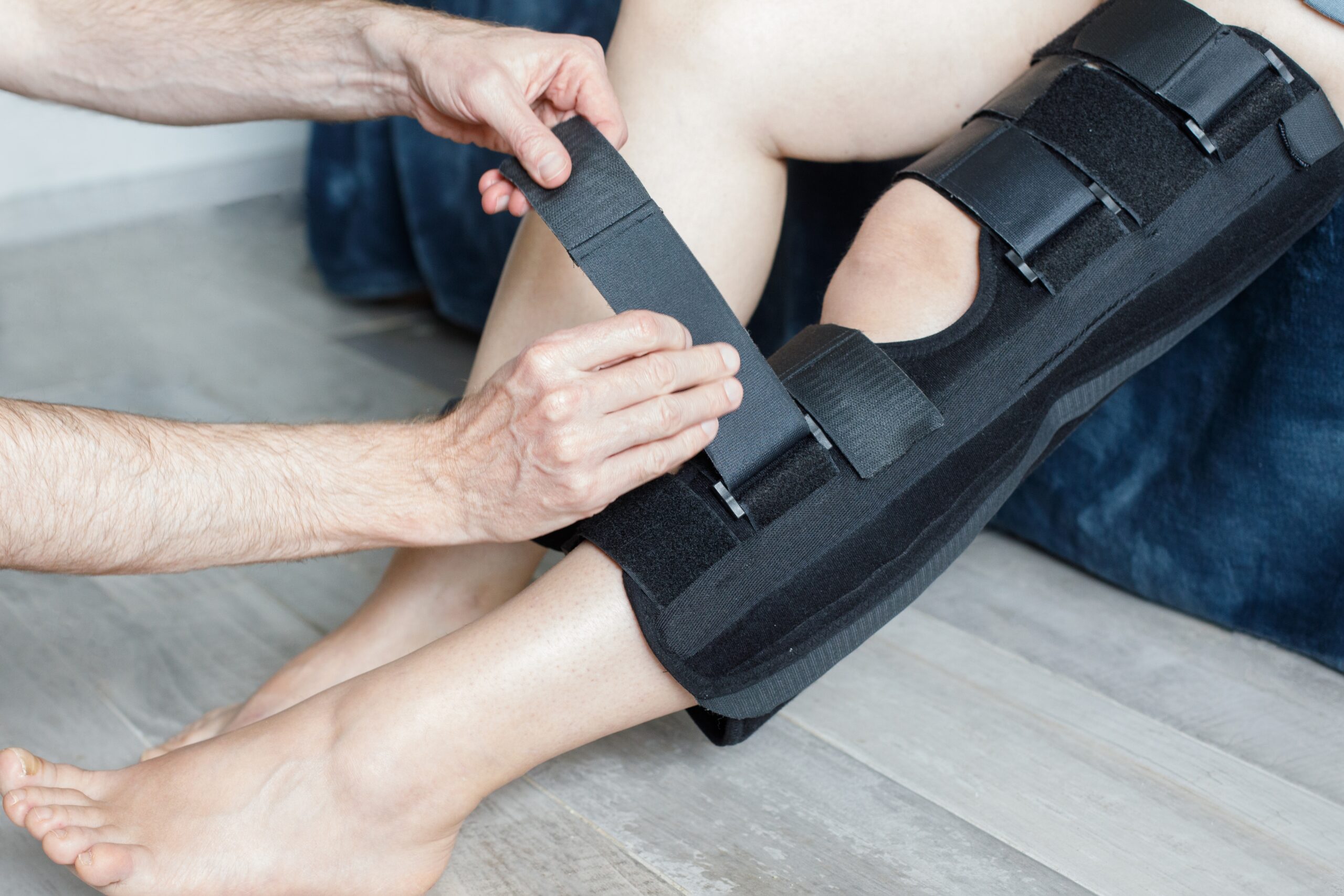
Your knee feels swollen, stiff, and sore during this phase. You will likely use crutches and possibly a brace to protect the joint. The main goals include reducing swelling, restoring knee extension, and activating your quadriceps. You will begin gentle exercises almost immediately. Straight leg raises, quad sets, and range-of-motion work help prevent muscle loss and stiffness. Many people feel surprised by how quickly therapy starts, but early movement sets the foundation for recovery.
Weeks Three Through Six
Sometime around week three through six, you will gradually put more weight on your leg and move away from crutches. Your therapist will guide you through controlled strengthening exercises, focusing on the quadriceps, hamstrings, and glutes. Balance and stability training become important during this stage and your knee needs to relearn how to support your body during everyday movements. You may still notice swelling after activity, which is normal as long as it improves with rest and ice.
Weeks Seven Through Twelve
Strength becomes the main priority in this phase of recovery. You will work through more challenging exercises, including step-ups, lunges, and controlled squats. Your therapist will also introduce light cardio options like cycling. By now, your knee may feel more stable, though it may not feel completely normal yet. Many people feel tempted to push too hard here. Staying patient prevents setbacks and protects the healing graft.
Consistency matters more than intensity during this phase.
Months Three Through Six
This stage focuses on advanced strength, coordination, and movement patterns. You may begin jogging, agility drills, and sport-specific exercises depending on your progress. Your therapist will assess how your knee responds to increased demands. Strength symmetry between both legs becomes a key goal because poor balance between sides can increase your risk of re-injury.
Six Months and Beyond
Return-to-sport testing typically happens around this point. Your therapist will evaluate strength, balance, and movement quality before clearing you for higher-level activities. Some people return to sports around six to nine months, while others need more time. Your recovery depends on strength, confidence, and how well your knee handles dynamic movement.
Staying Mentally Strong During Recovery
The physical side of recovery often gets the most attention, but your mindset matters just as much. Progress may feel slow at times, especially during the early weeks. Setting small, realistic goals helps you stay motivated. Celebrate milestones like walking without crutches or completing a new exercise. These wins build momentum and keep you moving forward. Support from your care team also makes a difference. Regular check-ins with your physical therapist give you reassurance and direction.
Take the First Step Toward a Stronger Comeback at PEAK Sport and Spine
Healing after ACL surgery requires commitment, patience, and the right guidance. You do not have to figure it out alone. Peak Sport and Spine offers personalized physical therapy programs that match your goals and your stage in the ACL surgery recovery timeline. Our team works with you one-on-one to rebuild strength, improve movement, and help you return to the activities you enjoy. Schedule an appointment at one of our convenient locations and start moving forward with confidence.