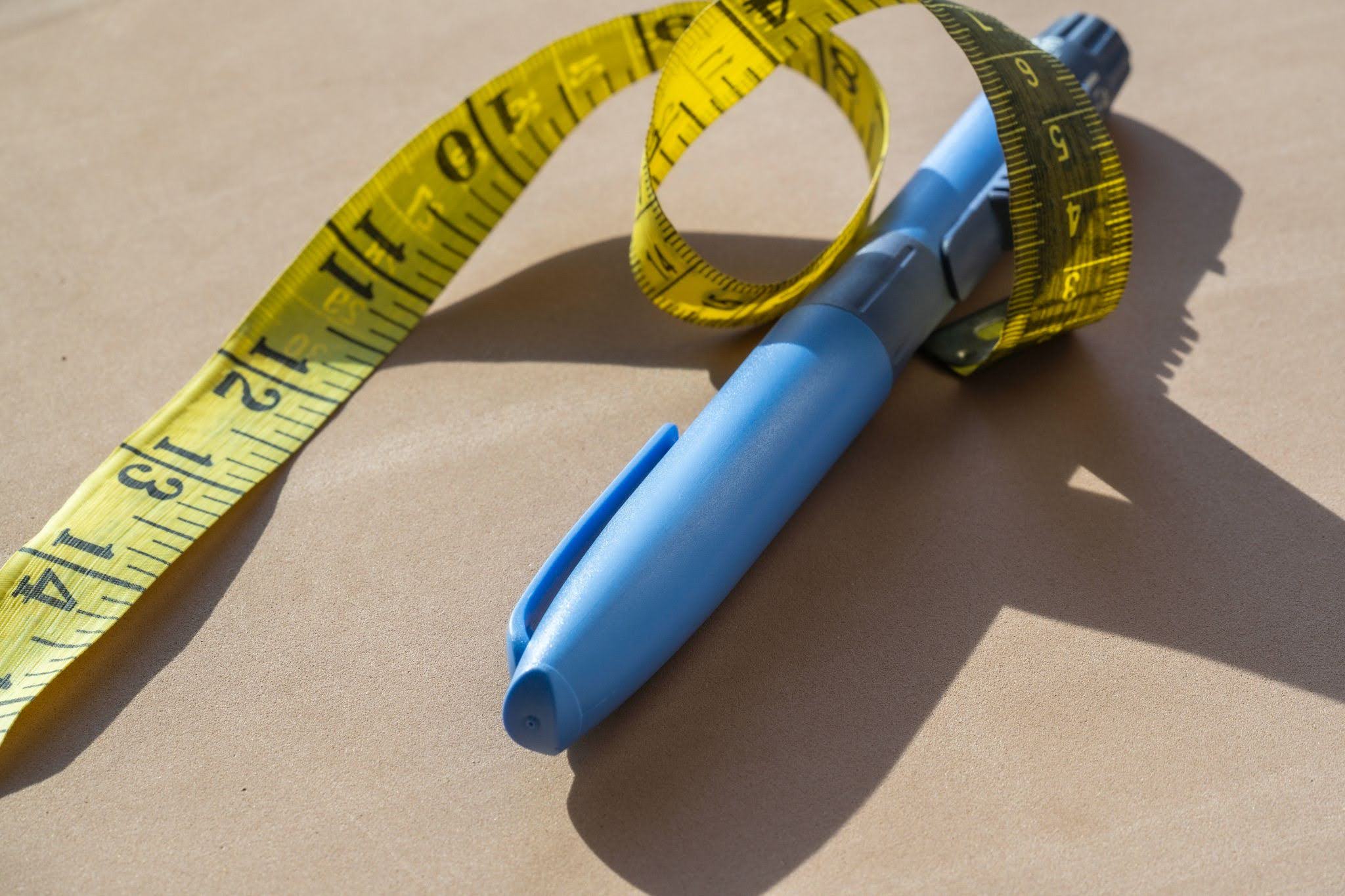
GLP-1 medications like Ozempic, Wegovy, Mounjaro, and Zepbound have become part of everyday life. Recent surveys estimate between 11-15% of American adults are currently taking one. If you’re on a GLP-1 or thinking about starting one, most people focus on the scale and how quickly the weight comes off. However, the effects on your muscles, joints, and bones during that process will also shape how you’ll feel and move long after you hit your weight-loss goal.
As you lose weight, some of what you lose is fat and some of it is muscle. The amount of muscle you maintain depends heavily on what you eat and how much you exercise while the weight comes off. Working with a physical therapist while on your GLP-1 journey can help you achieve long-term success, keep the weight off, and stay strong and healthy along the way.
The Truth About Ozempic, Wegovy, and Your Muscles
When you lose weight quickly, a share of it comes from lean mass, which includes muscle. Across clinical studies, lean mass has accounted for roughly 2-4% of the total weight people lose on GLP-1 therapy. The exact number varies by the drug, the dose, and the person.
Muscle loss during weight loss isn’t unique to these medications, though. You see the same pattern with typical dieting and even after bariatric surgery. What’s different with GLP-1s is the speed at which weight loss happens. Because the weight comes off faster and in bigger amounts, the total muscle you lose can be more than you’ve dealt with in past attempts.
Most of this change happens early, usually in the first three to six months, and then it levels off once your nutrition and exercise are on track. This part matters, however, because losing too much muscle can slow your metabolism and leave you feeling weaker even though you have lost weight.
The good news is that while muscle loss is common, it doesn’t have to be inevitable. In one study that followed patients on semaglutide for a year, lean mass dipped initially and then stabilized, but then the number of patients with low muscle mass for their weight decreased over 12 months. With the right plan, you can get stronger even as the scale goes down.
While this information might sound concerning, don’t let it deter you from taking GLP-1 medication. If you pair it with resistance training and adequate protein, you can lose the weight while holding onto your strength.
How Lifting Weights Protects Your Progress While on GLP-1
Resistance training is the best tool you to maintain muscle while you lose weight with research to back it up. In one trial, patients who paired a GLP-1 with a structured exercise program did more than protect their muscle. They gained lean mass and saw about twice the drop in body fat compared to the group on the medication alone. A separate real-world report found that patients who got comprehensive care including resistance training lost far less muscle than expected. They lost about 13% of their body weight but only about 3% of their muscle mass. If you are worried that lifting might slow your results down, resistance training preserves and even improves muscle function without blunting your weight loss.
Keep Your Protein Up on GLP-1
Alongside exercise, protein is the other half of protecting your muscle, and it’s easy to come up short on a GLP-1. That’s simply part of how the drug works. GLP-1 curbs your appetite, so you eat less overall, and protein is usually the first thing to slide off the plate. A lot of people end up eating less protein than what their body needs to hold muscle without even realizing it.
The amount of protein most people eat is on the low side for someone actively losing weight. Two things help are eating a bit more than the usual minimum, and spreading it out across meals and snacks instead of saving it all for dinner. For someone around 180 pounds, a reasonable goal often lands near 100 to 130 grams a day. Aim for a solid serving at each meal, in the neighborhood of 25 to 30 grams. For reference:
- A palm-sized chicken breast: about 30 grams
- A cup of Greek yogurt: around 20 grams
- Three eggs: roughly 18 grams
Your exact numbers are a conversation for your prescribing doctor or a registered dietitian, especially if you have a condition that changes how much protein is right for you.
What a Physical Therapist Sees That Your Prescriber Might Miss
Muscle is only one piece of your musculoskeletal health, and physical therapists can help you keep it all in check.
Plenty of people starting a GLP-1 aren’t starting from a blank slate. A large share of people with obesity or diabetes already have an existing musculoskeletal condition, so tendons, joints, and movement patterns may already need attention. Ramping up a brand new workout too hard and too fast can lead to injury. Tendons especially take time to adapt. Push them too quickly and you can end up with tendinopathy or other injuries that could slow your progress. Managing that load is one of the things our physical therapists do best.
How to Keep Moving Through the Side Effects
Nausea, reflux, bloating, and other stomach symptoms are common in the first few weeks and after each GLP-1 dose increase. They can make skipping a workout awfully tempting, so here are few simple tweaks to help you keep going:
- Time your hard workouts away from injection day if that’s when nausea spikes, and save easy movement like walking for those days.
- Skip exercises that press on your stomach, like heavy core work or lying flat, when reflux or nausea is acting up.
- Fuel up on purpose, even when you’re not hungry. A light, balanced snack beforehand steadies your energy and cuts the risk of feeling dizzy.
- Stay on top of water, since your thirst cues can fade right along with your appetite.
Most of these side effects are temporary and ease up as your body adjusts. In the meantime, they usually just mean scaling your plan back for a short stretch.
Build Strength While You Lose Weight at PEAK Sport and Spine
Losing weight on a GLP-1 is a real win for your health, and protecting your strength along the way is how you keep those results. You don’t have to figure out the exercise piece on your own. Peak Sport and Spine builds personalized physical therapy and strength programs around your goals, your fitness level, and where you are in your weight loss journey. Our team works with you one-on-one to build muscle, protect your joints, and help you feel strong. Schedule an appointment at your nearest PEAK Sport and Spine location and take the next step with confidence.
This article is for educational purposes only and is not medical advice. Talk with your prescribing physician before starting or changing any medication, exercise, or nutrition plan.