Foot pain can slow you down in ways that feel frustrating and limiting. You might notice discomfort first thing in the morning, pain in the heel of your foot after a long walk, or a steady ache that never fully goes away. Many people ignore these signs, hoping the pain will fade, but your feet often tell a story about how your body moves and handles stress. Understanding what your symptoms mean helps you take the right steps toward relief and long-term recovery.
Why Foot Pain Should Not Be Ignored
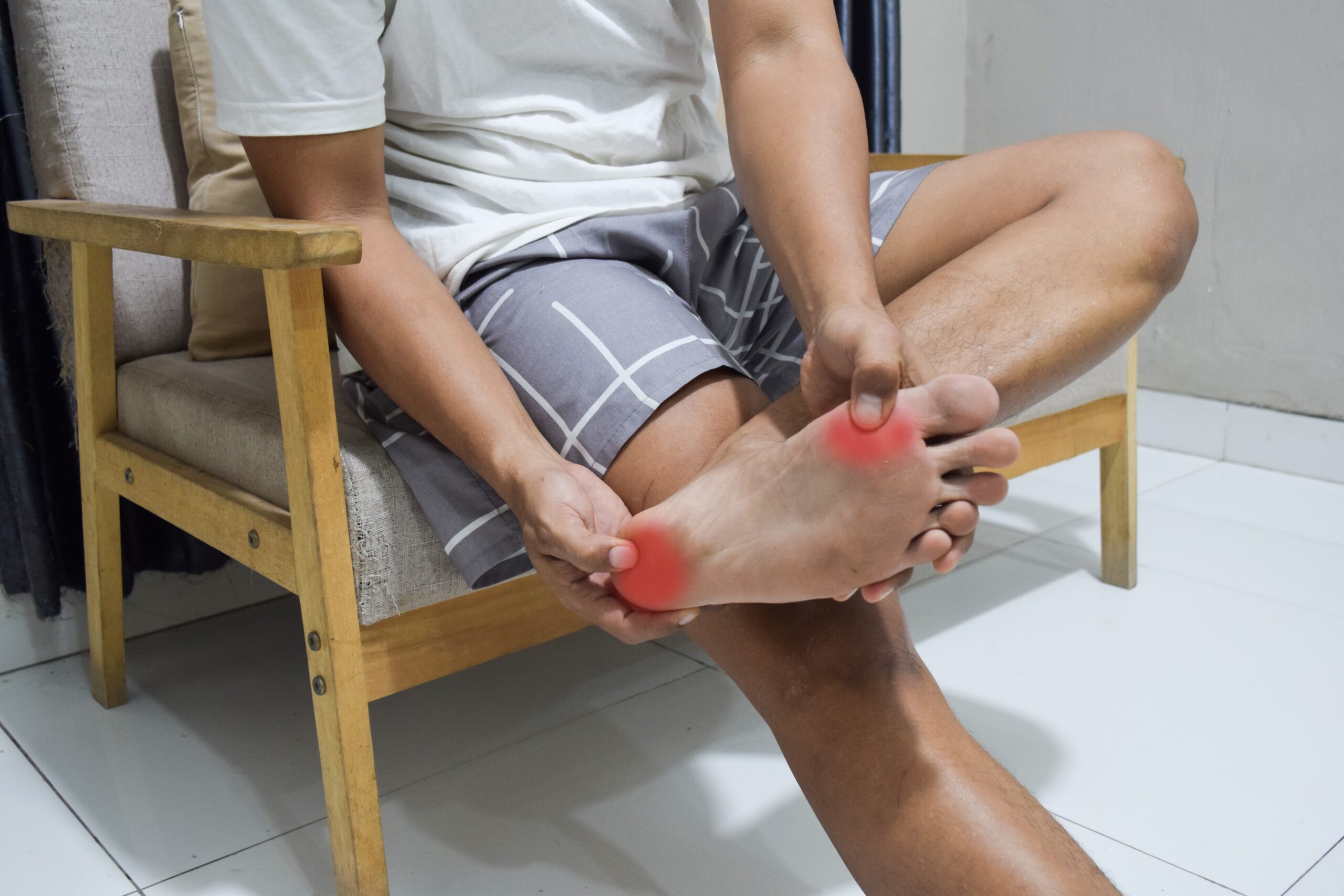
Your feet absorb force every time you stand, walk, or run. Small issues can quickly grow into bigger problems if you continue to push through discomfort. A slight strain today can turn into chronic pain that affects your knees, hips, or lower back. Pain in the heel of the foot often signals that something in your movement pattern needs attention. Tight muscles, weak stabilizers, or poor footwear can all contribute to that pain. Physical therapy focuses on identifying the root cause instead of masking the symptoms. Ignoring foot pain can also change how you walk. You may shift your weight to avoid discomfort, which places stress on other joints. This compensation often leads to new injuries that feel unrelated but trace back to your original foot issue.
Common Causes of Foot Pain That Physical Therapy Can Treat
Physical therapy addresses a wide range of foot conditions. Each condition requires a different approach, but all benefit from guided movement and targeted treatment.
Plantar Fasciitis and Heel Pain
Plantar fasciitis remains one of the leading causes of pain in the heel of the foot. This condition involves irritation of the thick band of tissue that supports your arch. Many people describe a sharp, stabbing pain with their first steps in the morning. Tight calf muscles and limited ankle mobility often contribute to this issue. A physical therapist works to improve flexibility, strengthen the foot, and reduce strain on the plantar fascia. Treatment may include stretching routines, manual therapy, and strengthening exercises that support your arch.
Foot and Ankle Sprains
A sprain can happen in a split second, whether you step off a curb awkwardly or land wrong during activity. Ligaments stretch or tear, leading to swelling, bruising, and instability. Physical therapy helps restore strength and balance after a sprain. Exercises focus on rebuilding stability so your foot can handle uneven surfaces again. Guided rehab reduces lingering weakness that often leads to repeated injuries.
Tendonitis in the Foot and Ankle
Tendonitis develops when tendons become irritated from overuse. You may feel pain along the top of your foot, around your ankle, or even near the heel. Runners and active individuals often deal with this condition. Pain in the heel of the foot can sometimes connect to Achilles tendon irritation. This tendon handles a large amount of force during walking and running. Physical therapy uses controlled loading exercises to strengthen the tendon while reducing irritation.
Bunions and Big Toe Pain
Bunions create a noticeable bump at the base of the big toe and often cause pain with walking or wearing shoes. Big toe pain can also develop without a visible bunion, especially if the joint becomes stiff or inflamed. A physical therapist can help you to improve joint mobility and strengthen the surrounding muscles. Footwear recommendations and movement training also play a key role in managing symptoms.
General Foot Pain and Overuse Issues
Some people experience general foot pain without a clear injury. This discomfort may come from long hours on your feet, poor support, or repetitive stress. The pain can shift between the arch, heel, and ball of the foot. Pain in the heel of the foot often appears in these cases due to repeated strain without proper recovery. Physical therapy evaluates how your entire lower body functions. Strengthening your hips, improving balance, and adjusting movement patterns can relieve stress on your feet.
Take the First Step Toward Pain-Free Movement with PEAK Sport and Spine
Living with foot pain can wear you down, especially when each step reminds you something is wrong. You do not need to accept that discomfort as part of your routine. Peak Sport and Spine offers physical therapy, dry needling, cupping, and advanced treatments designed to reduce pain and restore movement. Our team will evaluate your symptoms, identify the cause of your pain, and build a plan that fits your goals. You will gain strength, improve mobility, and return to the activities you enjoy. Schedule an appointment at one of our convenient locations and take that first step toward lasting relief.