Pain in your back or neck can stop you in your tracks. Whether it showed up after a long day of yard work or crept in after sitting too long at a desk, you’re probably wondering the same thing many people ask: should I use ice or heat for back pain? The answer depends on the type of pain, how long you’ve had it, and where it’s located. Knowing when to reach for an ice pack or heating pad can help you feel better faster and avoid making things worse. This guide breaks it down clearly so you can make the right choice and move toward recovery with less frustration.
Start With the Type of Pain: Fresh vs Ongoing
Use Ice for Sudden Injuries or Swelling
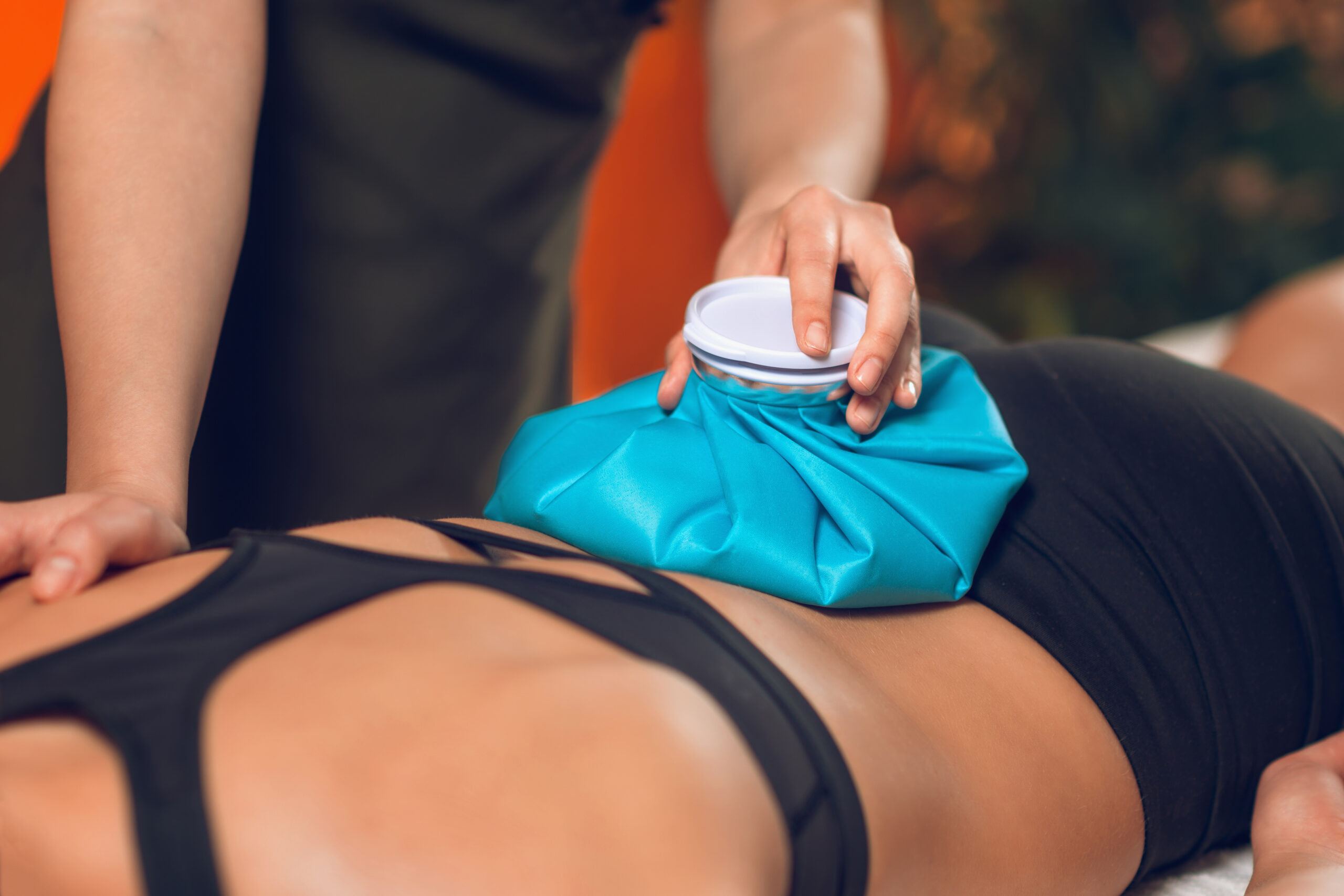
Ice works best in the first 24 to 72 hours after an injury. It helps calm inflammation, reduce swelling, and numb sharp pain. If your lower back started hurting after lifting something heavy or you tweaked your neck while sleeping awkwardly, ice should be your first move. Stick with 15 to 20 minutes of icing every 2 to 3 hours during the early phase. Always wrap the ice pack in a towel to protect your skin.
Choose ice when:
- The pain started suddenly
- There’s swelling, redness, or warmth
- The area feels tender to touch
- Movement makes the pain worse
Use Heat for Ongoing Pain or Muscle Tightness
Heat can ease stiffness and increase blood flow to help tight muscles relax. If you’ve been dealing with soreness that lingers or stiffness that shows up in the morning and fades as you move, heat might work better. Heat soothes muscles and encourages flexibility, especially after long periods of rest or inactivity. Use heat for about 15 to 20 minutes. Moist heat (like a warm towel or heating pad) works best. Don’t use heat if the area is already warm or swollen.
Choose heat when:
- You feel stiff or tight
- The pain has been around for days or weeks
- There’s no swelling
- Your back feels better after a warm shower or bath
Ice or Heat for Back Pain
Acute Low Back Pain
If your lower back flared up suddenly, start with ice. This can happen after a heavy lift or awkward bend. Ice can reduce inflammation and dull the sharp pain that often shows up with a fresh injury. Switch to heat after a few days if stiffness starts to replace the soreness.
Chronic Low Back Pain
Chronic pain in the lower back responds better to heat. Muscles around the spine tighten up when they’re overworked or guarding old injuries. Heat improves circulation, relaxes the muscles, and makes it easier to move without pain. You can use heat in the morning, before stretching, or during the day when stiffness creeps in.
Middle and Upper Back Pain
Middle back pain often comes from muscle tension or postural stress. Heat usually feels better for these types of aches. However, if you strained the area suddenly or feel sharp pain between your shoulder blades, try ice for a day or two to see if swelling is involved.
What About Neck Pain?
Sudden Neck Strain
If your neck started hurting after a quick movement or you woke up with sharp pain, ice can help calm things down. This often happens from muscle strain or small ligament injuries. Ice can bring quick relief and prevent further irritation. If you often wake up with a sore neck, these tips on how to improve your posture while sleeping may help.
Ongoing Neck Tension
If you feel tightness in your neck after a long day of work or from stress, heat can be more effective. A warm compress on the back of your neck or a heated neck wrap can ease tight muscles and improve your range of motion.
Ice or Heat for Knees, Shoulders, and Ankles
Pain in the knees, shoulders, and ankles is common and can come from overuse, injury, or joint irritation. Whether you’re recovering from a rolled ankle or dealing with stiffness in your shoulder, knowing when to use ice or heat makes a big difference.
- Knee: Ice for swelling after activity or injury. Heat for stiffness or soreness from arthritis or overuse.
- Shoulder: Ice after lifting or throwing if there’s pain or inflammation. Heat for muscle tightness or soreness in the upper arm or shoulder blade.
- Ankle: Ice during the first 48 hours after a sprain or strain. Heat for lingering soreness once swelling has gone down.
If running is behind your knee or ankle pain, our guide on how to prevent running injuries can help keep it from coming back.
When to Alternate Ice and Heat
Some situations call for both ice and heat. You can use this approach after the first few days of an injury or if you have muscle tension with some swelling. Start with ice to ease any inflammation, then use heat to relax the muscles. Always give your skin time to return to normal temperature between treatments.
Alternate treatments can be helpful if:
- You feel both sharp and dull pain
- The area is stiff but still mildly swollen
- Your pain pattern changes throughout the day
Get Expert Care and Start Healing Today
If you’re unsure whether to use ice or heat for back pain, neck stiffness, or joint pain in your knees, shoulders, or ankles, a licensed physical therapist can guide you. Schedule an appointment with Peak Sport and Spine and let a trusted professional assess your pain and design a plan that helps you heal the right way. Don’t push through the pain. Find a location near you and take the first step toward lasting relief.